A Five-Minute Windowsill Plant-Care Routine for Busy Beginners
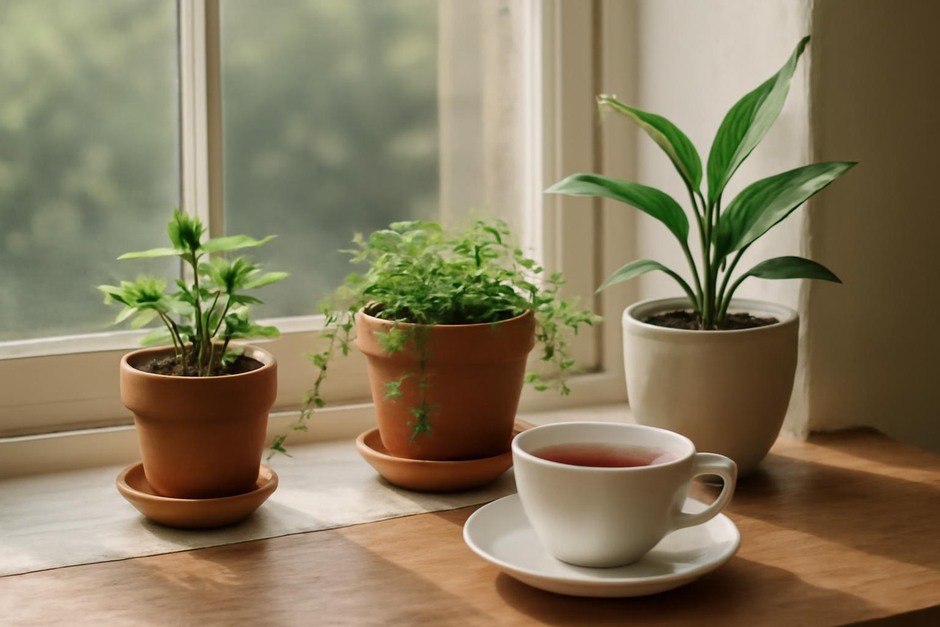
Caring for a few pots on a sunny windowsill doesn’t have to take long or require special tools. This beginner-friendly method gives you a repeatable 5-minute daily routine with a short weekly check that keeps small herbs and houseplants thriving. Follow the step-by-step method below, then explore quick variations and straightforward troubleshooting tips.
What you need
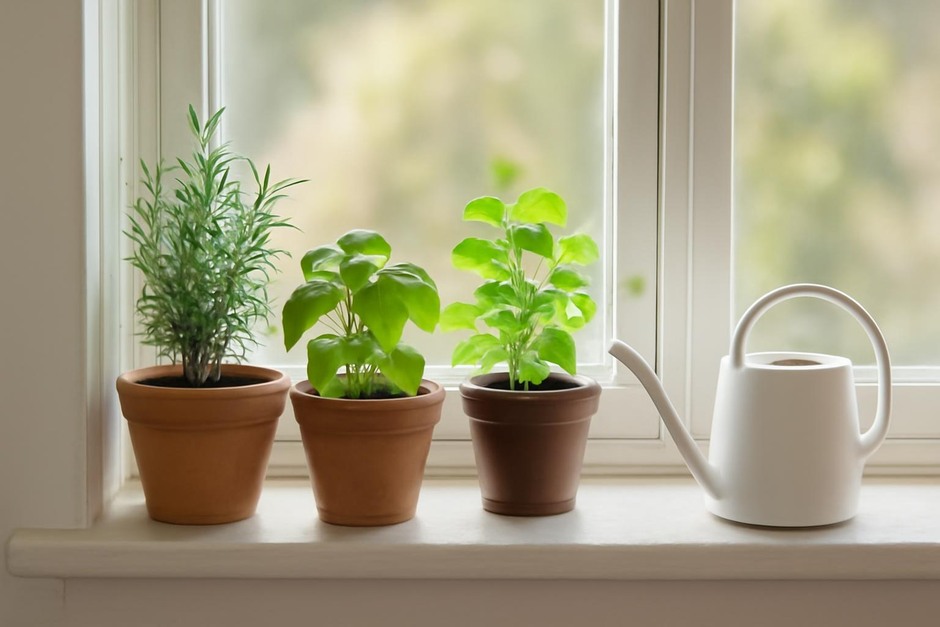
- 3–6 small pots or a long planter
- Potting mix that drains well (not garden soil)
- Watering can with a narrow spout or small cup
- Pair of scissors or pruning shears
- Notebook or sticky note for quick observations
Daily 5-minute step-by-step routine
- Arrive and observe (1 minute): Stand at the window and look over each plant. Notice overall color, any drooping, brown tips, or visible pests. Use a sticky note or phone to jot a quick note if something looks off.
- Light check (30 seconds): Make sure sunlight reaches the plants. Rotate pots a quarter turn every few days so growth remains even. If one plant shades another, shift positions.
- Soil touch test (1 minute): Insert your finger up to the first knuckle into the top inch of soil. If it feels dry, plan to water now; if it’s still cool and damp, skip watering today.
- Watering (1.5 minutes): Water only those that need it. Pour slowly until water begins to drain from the pot’s drainage hole, or until the soil is evenly moist. For pots without drainage, add small measured amounts: better to err on the side of less.
- Quick grooming (1 minute): Snip off yellowing leaves, harvest usable herbs, and remove dead flowers. This helps plants redirect energy into healthy growth.
This short routine keeps you tuned in to plant needs so problems are caught early. Total daily time: about five minutes.
Weekly 10-minute check
- Lift each pot to check weight — a light pot usually means it needs water.
- Inspect undersides of leaves and soil surface for pests like aphids or fungus gnats.
- Prune leggy stems and pinch back herbs to encourage bushier growth.
- Top up soil if it has compacted or add a thin layer of fresh potting mix for small plants.
Variations
Low-light windowsills
If your window is north-facing or shaded, choose tolerant plants (like parsley, mint, or snake plant) and reduce watering frequency. Group plants to create a slightly more humid microclimate.
Pet-safe windowsill garden
Select non-toxic herbs and plants (e.g., basil, thyme, catnip in moderation), place tempting herbs higher up, and consider a small barrier or tray to keep pets from digging.
Edible herb cluster
Keep compatible herbs together (basil, oregano, chives). Harvest regularly using the grooming step to encourage continual production.
Ornamental mix
Mix a trailing plant (pothos or ivy) with a compact flowering plant for visual interest. Rotate and prune to balance shapes and light needs.
Troubleshooting — common problems and quick fixes
- Yellow leaves: Often overwatering or poor drainage. Reduce watering, ensure pots have drainage holes, and let soil dry slightly between sessions.
- Wilting but soil is wet: Root rot may be developing. Trim mushy roots, repot in fresh mix, and cut back watering frequency.
- Leggy, stretched growth: Insufficient light. Move the plant to a brighter window, provide supplemental grow light, or prune back long stems to promote bushiness.
- Brown crispy tips: Likely underwatering or low humidity. Water more evenly and mist occasionally, or group pots to increase local humidity.
- Pests (tiny insects, sticky residue): Wipe leaves with a damp cloth, isolate the plant, and repeat weekly washes. For persistent infestations, remove heavily affected leaves and increase inspection frequency.
- Soil compaction: Gently loosen the top layer and top-dress with fresh potting mix; avoid disturbing roots on small plants.
Short repeatable checklist
- Observe & rotate — 1 min
- Finger-test soil — 1 min
- Water only if needed — 1.5 min
- Groom & note issues — 1.5 min
With this simple daily habit plus a weekly check, your windowsill plants stay healthy with minimal fuss. Start with two or three pots, follow the five-minute routine each day, and adjust the variations as your light and lifestyle demand. Over time you’ll recognize each plant’s cues and care will feel even easier.